
How IVMS and Fleet Management Work Together
IVMS gives you the data. Fleet management is what turns that data into fewer breakdowns, lower costs and safer drivers.
Published on July 20, 2026
An In-Vehicle Monitoring System tells you where every vehicle is, how it's being driven, and what state it's in. On its own, that's already useful. Paired with fleet management tools, it becomes something more — a system that actively helps you run a safer, cheaper, more predictable operation.
From Data to Decisions
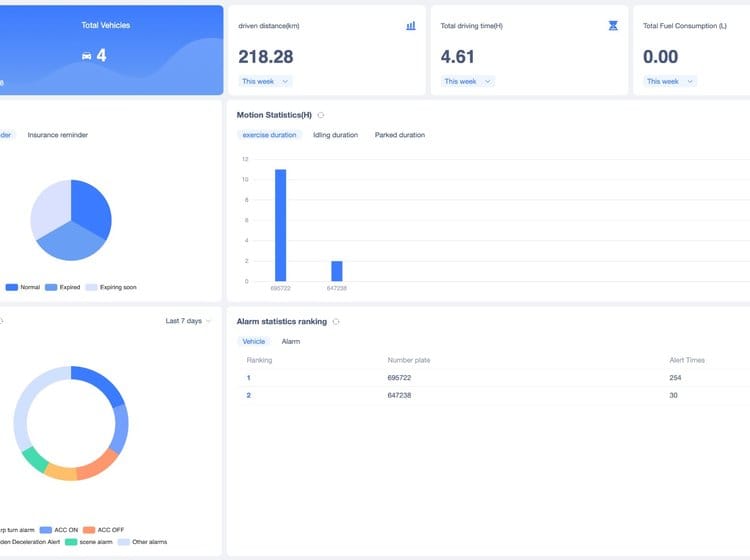
IVMS collects location, speed, driver behaviour and vehicle status continuously. Fleet management is the layer that turns that raw stream into mileage reports, idling summaries, fuel-use trends and driver scorecards you can actually act on, instead of scrolling through a live map hoping to spot a problem.
Fewer Surprises
Combining trip data with maintenance scheduling means service intervals are based on how a vehicle is actually used, not just a calendar guess. That catches wear before it becomes a breakdown, and keeps vehicles on the road instead of in the workshop.
Safer, More Accountable Drivers
Harsh braking, speeding and excessive idling are easy to miss vehicle by vehicle. Rolled up across a fleet, the same data becomes a clear picture of where coaching will have the most impact — and it holds drivers accountable without needing someone watching a map all day.
One System, Not Several
The real value is having tracking, driver behaviour, fuel and reporting in one dashboard instead of stitching information together from separate tools. Talk to us about combining IVMS and fleet management for your fleet in Qatar.