
GPS Tracking and IVMS on Qatar's Construction Sites
Construction fleets face their own pressures — multiple sites, heavy equipment and tight safety margins. Here's where GPS tracking and IVMS make the biggest difference.
Published on June 30, 2026
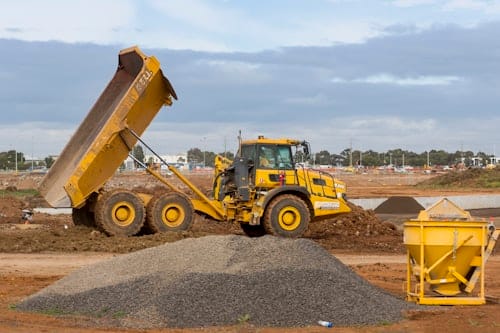
Qatar's construction sector runs on tight schedules across multiple sites, often with a mix of trucks, excavators and other heavy equipment moving between them. GPS tracking and IVMS address a few pressures that are specific to that environment.
Keeping Equipment Where It Should Be
With vehicles and machinery constantly moving between sites, knowing exactly where each one is — and confirming it's on the right site — cuts down time lost chasing down equipment. Geofencing around a site boundary flags anything that leaves without authorisation.
Fewer Idle Hours, Lower Fuel Spend
Idling and out-of-route driving are easy to lose track of across a large fleet. Visibility into both is often where construction fleets find the fastest fuel savings, without changing a single route or vehicle.
Supporting Site Safety
Harsh braking, speeding and driver behaviour alerts matter more on sites with pedestrians, uneven ground and other equipment nearby. IVMS gives site and fleet managers the data to reinforce safety standards with drivers, not just set them.
Protecting High-Value Assets
Construction equipment is a common theft target, particularly parked overnight on a site. Real-time location and tamper alerts mean unauthorised movement is flagged immediately, not discovered the next morning.
FairDeal's IVMS works across any vehicle or equipment type — from cars to cranes. See our page on vehicle tracking for construction companies, or get in touch to talk through tracking for your site fleet.